Secure Emergency Contact Storage for Safety

TRY THIS SERVICE FOR FREE!!!- for 30 days
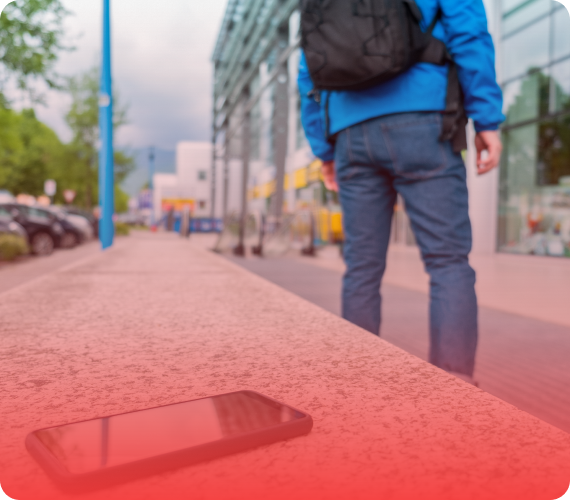
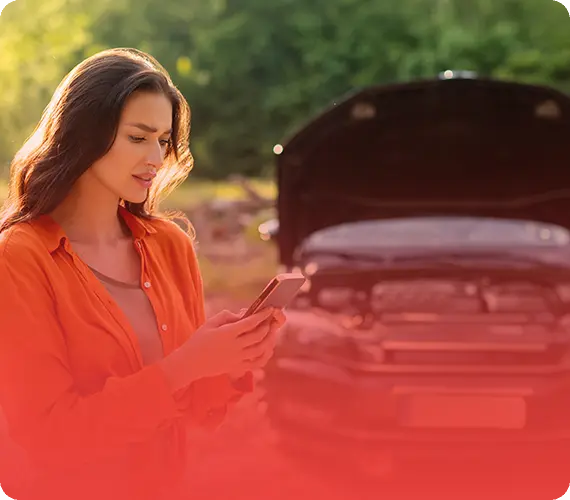
People lose their phones everyday, approximately 70 million yearly!
This Official Website is a quick access and low tech way to access your phone data without having to go through Google Cloud-
Just borrow someone's phone and go to our official website to access your previous stored phone numbers, up to 10 of your important phone numbers can be stored.
You can immediately dial from the website!
Just push the phone next to the number that you want to call!
911NUMBER.COM is there for you 24/7 all around the world!
AAA & AARP members receive a 10% discount upon signup by entering promo code A11.

Emergency Contact Storage for Modern Safety and Security
In today’s unpredictable world, family safety and emergency preparedness are more important than ever. 911Number.com offers a comprehensive platform that helps you store, manage, and access the most critical contact information, ensuring that your family is prepared to respond effectively to any emergency.
When disaster strikes, it rarely gives advance notice. From natural disasters to health crises or unexpected technological failures, emergencies demand immediate and informed responses. For households, particularly those with children or elderly family members, having a well-structured family safety preparedness plan isn't just beneficial—it's essential.
Building a foundation rooted in family emergency preparedness allows households to take proactive steps rather than react in panic. This strategy helps reduce confusion, limit injury, and preserve mental well-being. Whether it's assembling a go-bag, outlining communication strategies, or conducting regular safety drills, taking these steps ensures your family is ready to navigate challenges head-on. With proper planning, families can create a support system that maintains calm during chaos and helps each member act efficiently.
Stay Connected During Emergencies
Manage Contacts on the Go
Multi-Device Emergency Contact Access Benefits for Modern Lifestyles
Stay Connected During Emergencies—Across All Your Devices
As technology continues to evolve, Multi-Device Emergency Contact Access has emerged as a critical feature for personal safety and emergency preparedness. In today's connected world, people rely on multiple devices—smartphones, tablets, laptops, and smartwatches—to manage their daily activities. When an emergency occurs, the ability to instantly access your emergency contacts from any of these devices can make the difference between delayed and timely help.
Stay Connected During Emergencies—Across All Your Devices
As technology continues to evolve, Multi-Device Emergency Contact Access has emerged as a critical feature for personal safety and emergency preparedness. In today's connected world, people rely on multiple devices—smartphones, tablets, laptops, and smartwatches—to manage their daily activities. When an emergency occurs, the ability to instantly access your emergency contacts from any of these devices can make the difference between delayed and timely help.
Unlike traditional contact storage, this feature ensures you’re never limited to just one device. Lost your phone during a hike? No problem—you can retrieve your emergency information on your smartwatch or a friend’s laptop. This 24/7 accessibility adds a critical layer of convenience and security, empowering users to respond swiftly in high-pressure situations.
With multi-device functionality, you can ensure that your emergency contacts are reachable regardless of where you are or which device is in hand. It adds a failsafe to your family’s safety protocols by enabling prompt communication in every situation.
Sign up Now. Choose a platform that offers seamless Multi-Device Emergency Contact Access and take the first step toward smarter safety.
Emergency Contact Access from Any Device, Anywhere

Real-Time Alerts and Updates for Better Response
Some advanced platforms go beyond mere access by integrating alert systems and geolocation. For example, if your child’s school needs to notify multiple guardians during an emergency, systems with Multi-Device Emergency Contact Access send instant notifications to all linked devices. These features support faster response and better situational awareness.
Real-time updates to emergency contact lists also mean you’ll never be caught off guard. If a contact changes number or becomes unavailable, you can update the information once, and it will reflect across every device you use.
Don’t let a single point of failure affect your safety.
Sign up Now.
Choosing Secure and User-Friendly Multi-Device Emergency Contact Access Solutions
Prioritize Platforms with End-to-End Encryption
When dealing with sensitive information like emergency contacts, security is non-negotiable. Platforms offering Multi-Device Emergency Contact Access must implement end-to-end encryption and secure cloud storage protocols. These protections safeguard your information from cyber threats and unauthorized access.
Intuitive Design Matters for Fast Emergency Response
Ease of use is critical, especially during high-stress emergencies. A cluttered or confusing interface can delay response time. Opt for services that offer intuitive dashboards, simple navigation, and one-click access to your most important contacts. The interface should support drag-and-drop functionality and offer custom labels, allowing you to prioritize contacts based on urgency.
Make sure the service you choose follows best practices, such as multi-factor authentication, password protection, and user access logs. These features ensure that only you and those you authorize can access your emergency data.
Some platforms even offer quick-share features, allowing you to send your emergency profile to nearby contacts with a QR code or secure link.
Looking for a secure and user-friendly platform? Sign up Now.
Real-Life Use Cases of Multi-Device Emergency Contact Access
Travelers and Remote Workers
Parents and Students
Busy parents and students juggling school, extracurriculars, and commuting can rely on multi-device access to stay connected. From schools to after-school programs, having multiple family members linked through one centralized emergency contact system reduces miscommunication and accelerates support in times of need.
Active Lifestyle and Events
Attending concerts, sporting events, or public gatherings often involves crowds and chaotic situations. A Multi-Device Emergency Contact Access system enables attendees to quickly coordinate during incidents like lost children, medical episodes, or evacuations. Your emergency contacts are never more than a few seconds away.
No matter your lifestyle, ensure you’re protected with quick, reliable Multi-Device Emergency Contact Access. Sign up Now.
Future-Proofing Emergency Contact Systems with Technology
AI, Biometrics, and Predictive Safety
Modern Multi-Device Emergency Contact Access solutions now integrate cutting-edge technologies like AI and biometrics. Biometric login, such as fingerprint or facial recognition, ensures only authorized users can access emergency data. Meanwhile, AI algorithms analyze patterns in your location and habits, suggesting contact updates or safety alerts.
Create an emergency savings account that covers 3–6 months of essential expenses. Ensure your insurance policies—home, auto, life—are current and adequately cover likely risks in your region.
Integration with IoT and Smart Devices
As homes become smarter and more connected, Multi-Device Emergency Contact Access systems are beginning to integrate with IoT ecosystems. For example, if your smart home detects a fire or intruder, it can automatically send alerts to your emergency contacts across all linked devices—no manual action required.
Blockchain and Immutable Records for Contact Logs
Blockchain is also being explored to ensure emergency contact data is immutable and tamper-proof. With decentralized storage, users gain more control over their data while enhancing transparency and trust.
Embrace the future of safety. Explore advanced Multi-Device Emergency Contact Access platforms that incorporate cutting-edge security and AI features.
Frequently Asked Questions (FAQs)
What is Multi-Device Emergency Contact Access and how does it work?
Why is Multi-Device Emergency Contact Access important for families?
Is Multi-Device Emergency Contact Access secure?
Can I update my emergency contacts on one device and sync across others?
Absolutely. Most platforms with Multi-Device Emergency Contact Access auto-sync changes across all connected devices in real time.